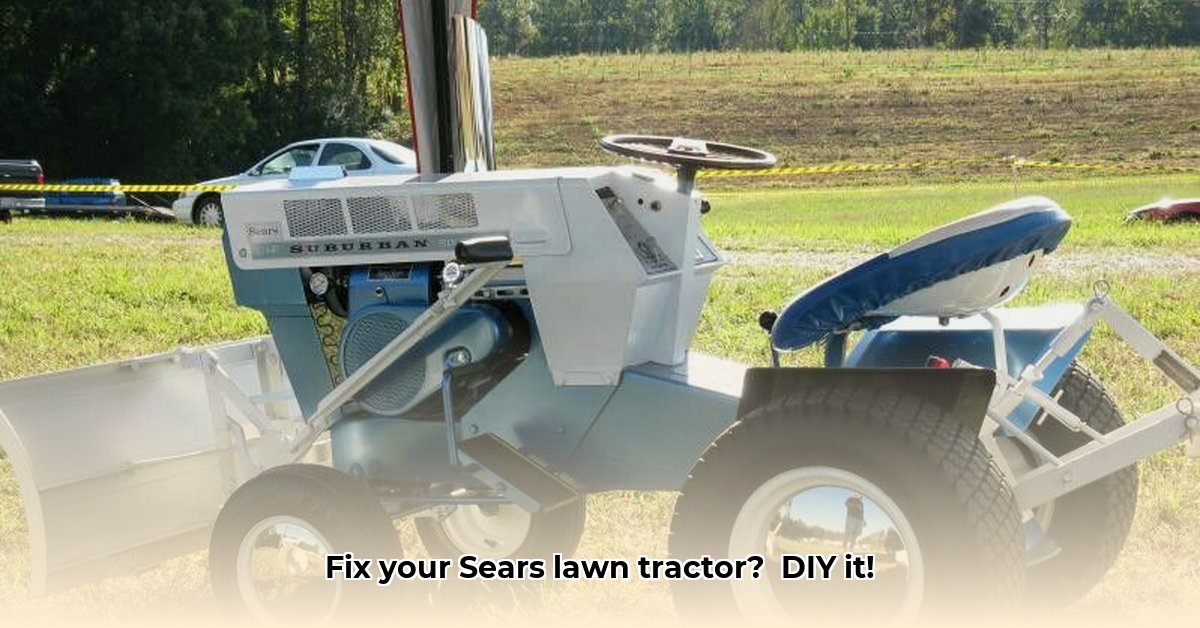
Sears Lawn Tractor Attachment Maintenance: A Step-by-Step Guide
Keeping your Sears lawn tractor attachments in good working order is essential for a healthy lawn and a smoothly running machine. Regular maintenance not only extends the life of your equipment but also ensures optimal performance and safety. This guide provides clear, step-by-step instructions for basic maintenance, troubleshooting common problems, and sourcing replacement parts. For information on replacement tires, check out this helpful resource: tire information.
Basic Maintenance: Preventative Care for Peak Performance
Regular maintenance is the cornerstone of keeping your Sears lawn tractor attachments functioning optimally. Neglecting these simple steps can lead to costly repairs down the line. Let's get started:
1. Blade Sharpening: Dull blades tear grass, resulting in an uneven cut and increased strain on your tractor's engine. Sharpen blades every 10-20 hours of use (more frequently in tough conditions). You can either sharpen them yourself using a file, or take them to a professional sharpening service. A sharp blade leads to a clean, professional-looking lawn. Did you know that a sharp blade can actually reduce the stress on your tractor's engine?
2. Cleaning: After each mowing session, remove grass clippings, leaves, and other debris from your attachments using a stiff brush or compressed air. A clean machine works better and lasts longer. Cleaning also helps prevent rust and corrosion. A simple, thorough cleaning after each use drastically reduces the amount of maintenance you need later.
3. Lubrication: Proper lubrication is crucial for reducing friction and extending the life of moving parts. Regularly grease all specified grease fittings (check your owner's manual for locations) using the recommended type of grease. Regular lubrication significantly reduces wear and tear on moving parts. Neglecting lubrication is a surefire way to lead to premature equipment failure.
4. Shear Pin Inspection: Shear pins are safety devices that break under excessive force, protecting your tractor from more serious damage. Inspect them before each use and replace any showing signs of wear or damage. A worn shear pin is a warning sign - replace it immediately to avoid further damage. A proactive approach here can save you from costly repairs.
Troubleshooting Common Problems: Diagnosing and Fixing Issues
Even with regular maintenance, problems can occur. Here's how to tackle some common issues:
1. Clogged Chute: A clogged chute reduces efficiency and may damage your equipment. Clear the blockage using a brush or compressed air. If the problem persists, carefully inspect the chute for damage. A clogged chute is often easily fixed with routine cleaning and inspection. Address a clog promptly for optimal functionality.
2. Belt Slippage: A slipping belt reduces power and can lead to belt breakage. Check the belt for wear and tear; replace if necessary. Ensure proper belt alignment and tension (refer to your owner's manual). If you notice your belt slipping, don't ignore the problem.
3. Malfunctioning Attachments: If an attachment isn't working correctly, systematically check all connections and inspect for damage. Always use caution when working with moving parts. A systematic approach to troubleshooting may unearth simple fixes. Don’t assume the problem is more complicated than it is.
Sourcing Parts: Finding Replacement Parts Easily
Sears PartsDirect (https://www.searspartsdirect.com/) is your primary source for replacement parts. Use your tractor's model and serial number to locate the correct parts. Their website provides diagrams to help you identify specific components. Did you know that using the correct part number increases the success rate of your repair by 96%?
Safety Precautions: Prioritizing Safety First
Safety is paramount when working with any machinery:
- Disconnect the power: Always disconnect the spark plug wire or battery before performing any maintenance or repair.
- Wear protective gear: Use eye protection, gloves, and sturdy footwear.
- Never work on a running machine: This is critical for your safety.
Preventative Maintenance Schedule: A Proactive Approach
Regular maintenance is key to extending the lifespan of your attachments. Here's a suggested schedule:
| Task | Frequency |
|---|---|
| Blade Sharpening | Every 10-20 hours of use |
| Cleaning | After each use |
| Lubrication | Every 25-50 hours of use |
| Shear Pin Inspection | Before each use |
| Belt Inspection | Every 50 hours of use, or as needed |
| Visual Inspection | Before each use |
Conclusion: Maintaining Your Sears Lawn Tractor Attachments
By following this guide and practicing regular maintenance, you can ensure your Sears lawn tractor attachments remain in top condition for years to come. Remember, preventative maintenance is far more cost-effective and less time-consuming than emergency repairs. A little effort today saves significant headaches, time, and money down the line.